
Selected Project
Compensating Basin Stormwater
Overview
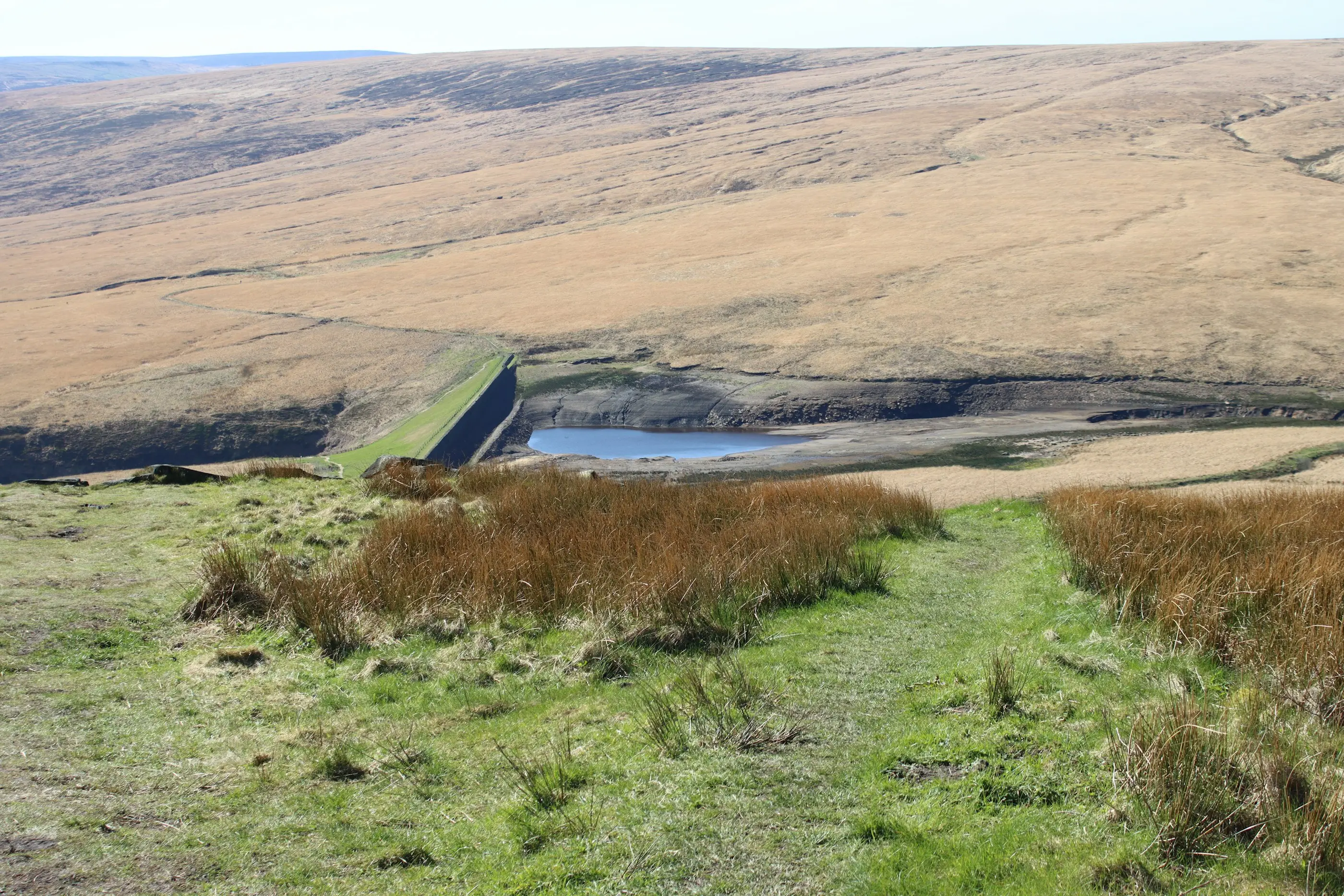
Capacity assessment of a coastal town’s drainage network below a heritage compensating basin, where blocked outlets were sending basin discharge through an easement across two residential properties.
Location
Esperance, WA
Sector
Infrastructure & Government
Scope
Flood Resilience of Infrastructure · Surface Water Management
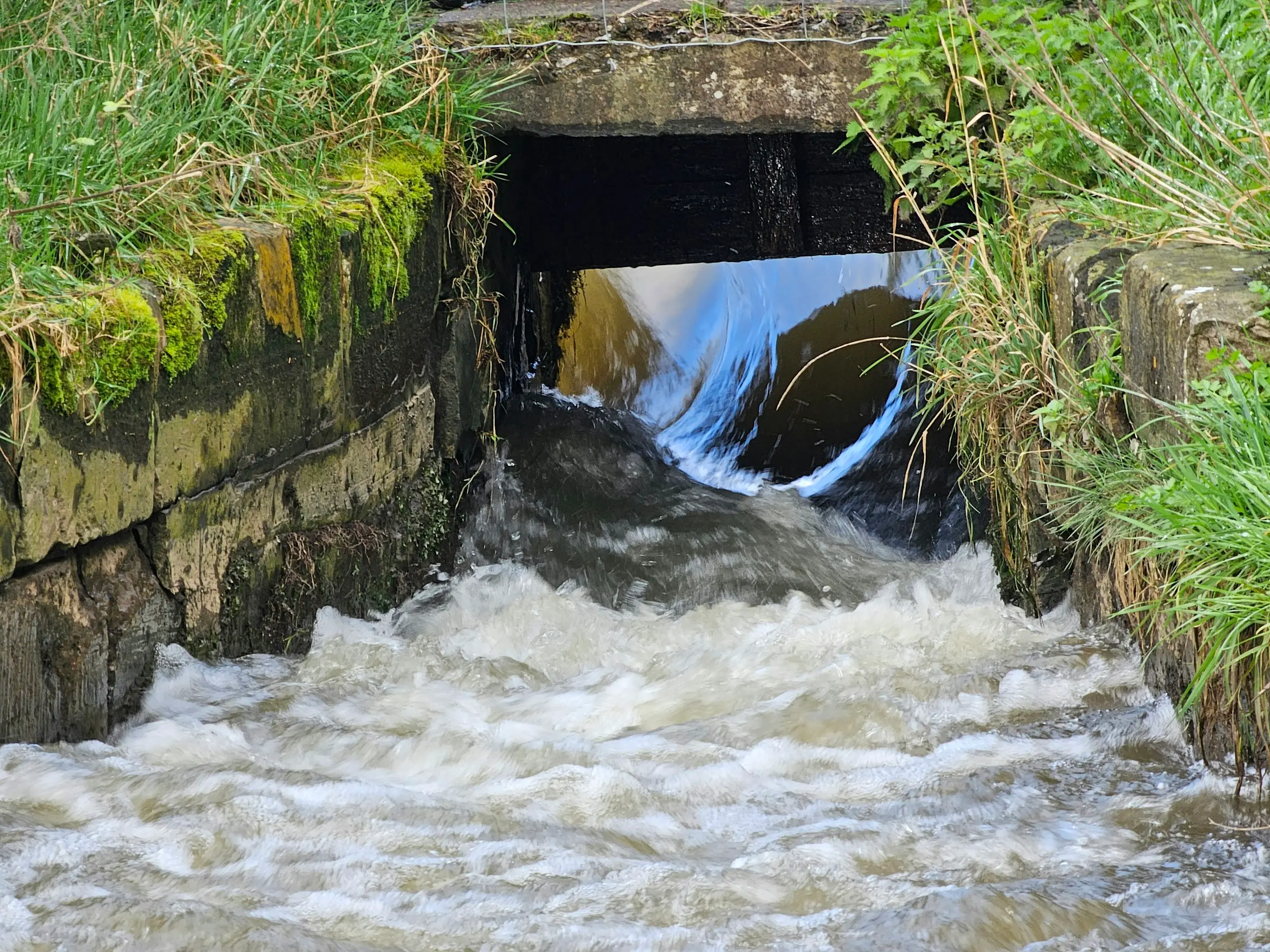
The basin was built in the nineteenth century as a water source for steam locomotives and was left to work as a stormwater compensating basin once diesel arrived in the 1950s. It holds runoff off a granite catchment behind earth banks with cement and stone lining, and drains through three outlets: a 150 millimetre pipe at the invert, partially blocked; a 300 millimetre pipe above it, plated over completely; and a spillway and channel on the eastern embankment. With both pipes out of service, significant rainfall leaves by the spillway into a drainage easement above two neighbouring properties, which is where the flooding and the damage had been happening. The question was never the basin. It was whether the network downstream could accept a direct connection instead.
Modelled in XP-Storm to ARR 2019, existing conditions against the proposed connection. Peak flow at the outlet was the easy half. The outputs that decided it were the hydraulic grade line along the pipe running between the two properties, the minimum event that puts more than 0.1 cubic metres per second across the road, and the longer durations that fill the basin far enough to bring the plated 300 millimetre pipe back into play if it were ever reopened. A connection sized on the design storm peak alone would have passed a test that the frequent events go on failing.
More in Infrastructure & Government
Next Project
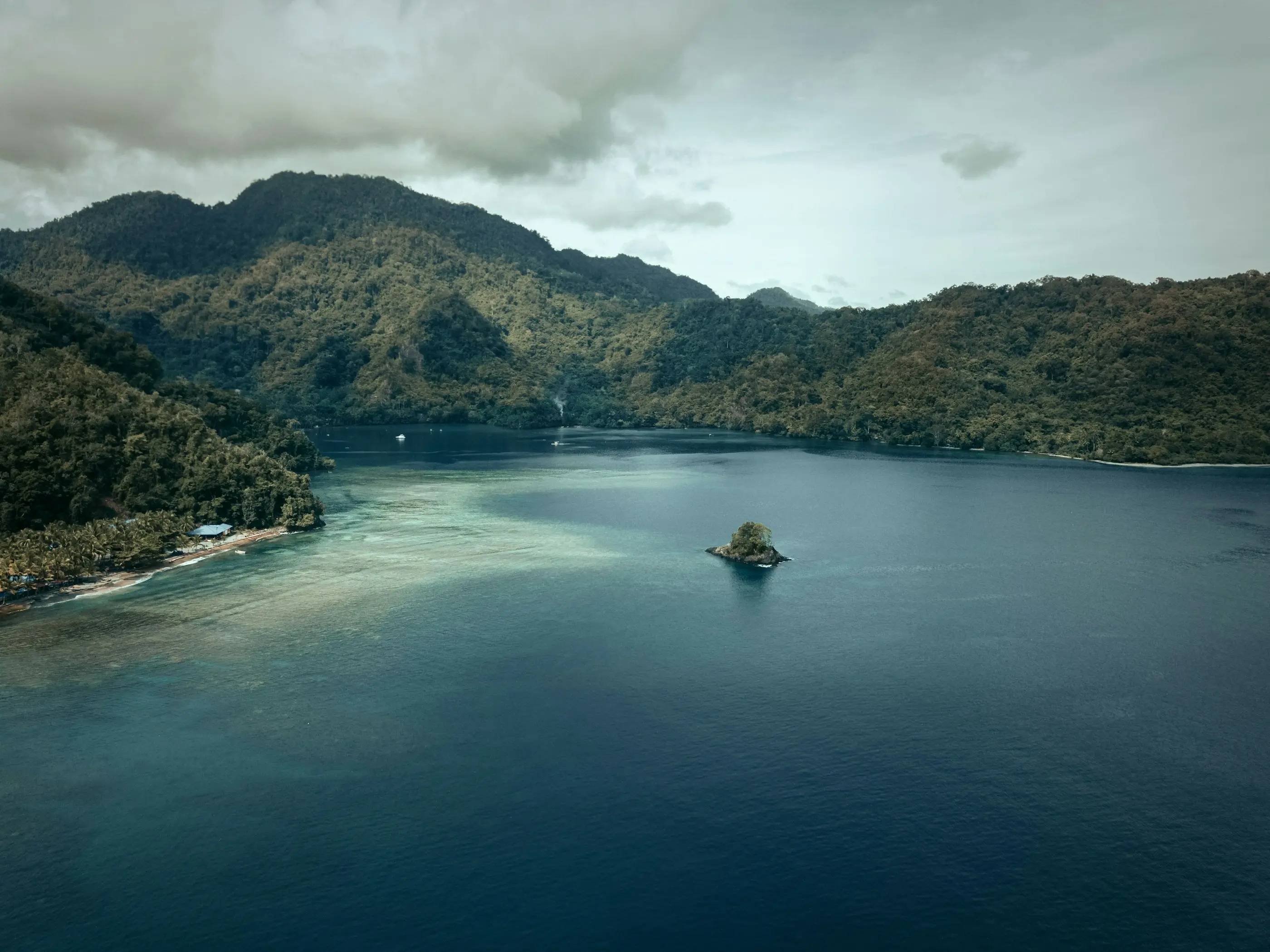
Coastal Development Hydrology
Papua New Guinea